Launch offer – 40% off – until 10 March
How to share your Obsidian vault across a small team
From Nextcloud to Google Drive, here are the best ways to collaborate on a team Obsidian vault
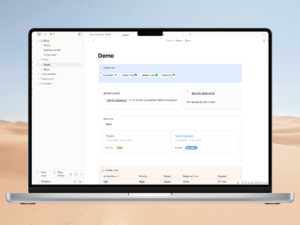
Obsidian isn’t traditionally seen as a collaboration tool-but it works surprisingly well for small teams. In case you don’t have it already, you can get our template here.
With a shared setup, you can keep everything synced and accessible without relying on a complex platform.
All you need is a shared folder hosted in a cloud service that everyone on your team can access. That could be Nextcloud, Google Drive, Dropbox, GitHub, or even iCloud—depending on what suits your setup.
Below, I break down the main options for sharing your Obsidian vault: how they work, what they’re good at, and what to watch out for.
1. Nextcloud – best for privacy and long-term control
- Free if you already have hosting – even possible on shared hosting as long as no restrictions. Many providers include one-click install eg from Softaculous.
- Full control over where your data lives
- Syncs across devices via a desktop app
- Configuration takes time and may require light tech skills
Best for: privacy-focused teams with some technical capacity
See this guide on setting up Nextcloud. Then you need the add the desktop sync client and to add then app “Group folders” in order to share and sync the Obsidian vault.
2. Google Drive – easiest to get started
- Works out of the box with Drive for Desktop
- Lets multiple users access the vault folder
- Beware of sync conflicts if two people edit the same file at once
- Sometimes adds
.cloudfile suffixes sometimes, which can confuse Obsidian
Best for: teams who don’t mind the occasional sync hiccup or just want to give it a test run
Guide on how to use Obsidian on google drive. But its pretty simple – get the drive for desktop, share the vault with your team.
3. Dropbox – stable, but limited free storage
- Easy to set up and keeps backups
- Handles syncing reliably with fewer conflicts than Google Drive
- 2GB free tier can fill up fast if your vault includes media
- Noticeable sync delay of a few seconds
Best for: teams that wont be adding much media and are not too reliant on instant sync
Dropbox is the same as Google Drive. Download dropbox for desktop. But here is a video.
4. iCloud – great if you’re all on Apple
- Seamless sync for Apple-only teams
- Easy to set up
- Fast and reliable if you’re using Obsidian on Mac and iOS
- No good cross-platform support — won’t work for Windows or Android users
Best for: co-founders and teams all on Mac/iOS
You share the vault folder with your team. But do read this so it works. You’ll just need to make sure the shared folder is in the Obsidian folder.
5. SharePoint/OneDrive – if you’re already on Microsoft
- Works with OneDrive folder sync
- Stable but occasionally over-manages file versions
- Keeps backups reliably
- Occasional issues with placeholder files or sync delay. Must ensure vault is fully synced locally on each machine.
- Can not use with Android.
Best for: Microsoft-based teams or those already paying for the ecosystem.
For setting up Sharepoint, again you’ll need to be able to access the folder from your desktop. A guide to navigate a workaround you’ll need.
6. GitHub – great for version control, but no live sync
- Works well for technical teams who want to version notes like code
- Supports pull requests and history tracking
- Doesn’t do live sync – changes must be committed and pushed manually (though you can automate that with a keyboard shortcut or script).
- More technical to set up
Best for: developer teams or teams writing technical documentation.
See this guide to get you started.
7. Obsidian sync – costs $4/month per user
- Works seamlessly, possibly the most straightforward option
- End-to-end encryption
- Low cost, but still a paid subscription
Best for: Teams that can afford a low-cost subscription.
See their guide.
How to choose the right one
- Want privacy + control? → Nextcloud or Obsidian sync
- Ease? → Obsidian sync
- Already using Microsoft 365, Google drive or dropbox? → Go with that
- Writing technical docs and don’t need live sync? → GitHub